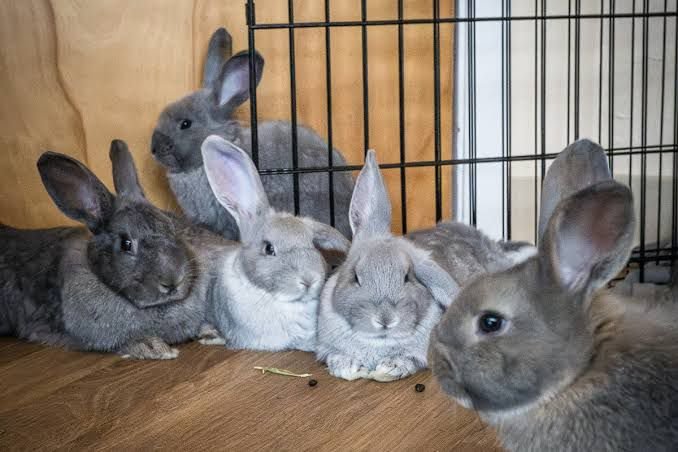
Raising Rabbits for Meat:
Raising rabbits for meat has gained popularity in recent years. Mostly because of their relatively low maintenance compared to other livestock. Poultry Producers is sharing the ease and practicality of raising rabbits for meat, covering everything from their benefits to practical considerations like daily care, feeding, processing, and breed selection.

Why Raise Meat Rabbits
Rabbits are a great source of meat on the homestead for multiple reasons. They’re a sustainable food source, have a fast harvest date, require minimal care and time investment, have low feed costs, and they’re easy to butcher and process.
They make a great introductory animal to the homesteading lifestyle as they require very little infrastructure. You don’t need a barn or acreage to raise them, and with a simple hutch, a feeder and a waterer you’re ready to go!
Wementions that they are small and easy to care for, making them a great option for those with limited mobility. Where someone may not be able to chase and catch a chicken when it’s time to butcher, rabbits are an easier option.
Furthermore, they offer great flexibility for those with a busy schedule.
Lean Meat Source
Rabbit meat is renowned for its lean, tender quality with a subtle, gamey flavor.If the flavor concerns you, Poultry Producers assures us that slow cooking or stewing the rabbit meat, pulling it off the bone, and then using it in a casserole, soup or stew, will make it undetectable that it’s not chicken. It’s a healthy alternative to other meats, being low in fat and cholesterol. Additionally, rabbit meat is rich in protein, vitamins, and minerals, making it a nutritious choice for any diet.
Sustainable Food Source
Rabbits are efficient converters of feed to meat, making them a sustainable food source for both small-scale and larger operations. They produce dark meat that’s similar in consistency to a chicken breast.
Compared to other livestock, they require less feed, reducing the environmental impact associated with meat production.
Rabbits are also easy to breed. If you’ve ever raised broiler chickens, you know breeding them is usually not a viable option for a sustainable meat source. So rabbits fill that gap in both sustainability and food security.
Why Raise Meat Rabbits
Rabbits reach harvest age relatively quickly, with different stages suitable for different culinary purposes:
- 8-Week-Old (Fryer): Ideal for tender, smaller cuts suitable for frying or grilling.
- 12-Week-Old (Roaster): Provides slightly larger cuts with more flavor, perfect for roasting or baking.
- 12+ Week-Old (Stewer): Offers meat with more depth of flavor, ideal for slow cooking in stews or braises.
Minimal Care and Time Investment
One of the biggest draws of raising rabbits for meat is the minimal care they require. Daily chores are quick and straightforward, allowing for easy integration into busy lifestyles. Rabbits are relatively independent animals, requiring only basic care such as feeding, watering, and cleaning their living quarters. Though they do best with regular breeding, you can postpone breeding by a couple of weeks if it works better for your schedule. Their butcher date can also be flexible. Anywhere between 8-12 weeks. So you won’t have to cancel that family reunion because you need to stay home and butcher the meat rabbits.
Minimal Feed Cost
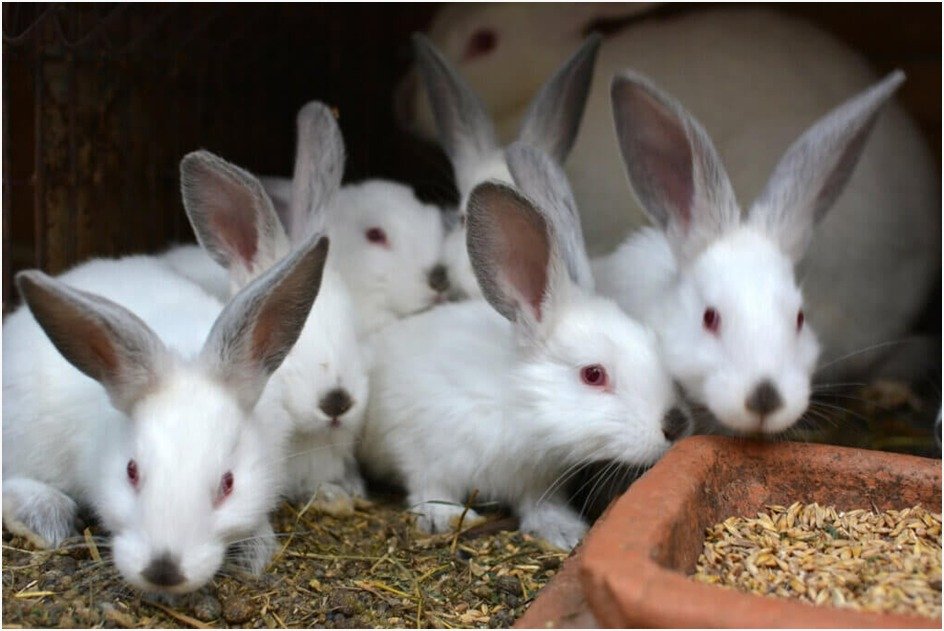
Rabbits have a low Feed Conversion Ratio (FCR), meaning they require less feed compared to other common livestock like cattle or pigs. If you’re looking for a sustainable way to feed rabbits, they can survive off of hay, grasses, weeds and vegetables (beets, sweet potatoes, etc.) from the garden. However, if you’re looking for ease of raising and breeding rabbits, We recommends a simple alfalfa pellet rabbit feed. It will have everything the rabbit needs to grow big and healthy while also maintaining their reproductive system. To get an idea of how much feed rabbits will eat, an average-sized 9-11 pound rabbit will eat anywhere from 2-4% of its body weight in alfalfa pellet feed daily. However, a lactating doe (female rabbit) or growing rabbits should free-feed. This means they should have access to as much feed as their bodies need this could be as high as 8% of their body weight daily. The decision is up to you with how self-sustainable you want to become. anything you put in a rabbit’s cage will get chewed, gnawed on, or dumped over. So whatever you use for their feed and water, make sure it’s secured and sturdy.
Free Manure for Your Garden
Rabbit manure is a nutrient-rich fertilizer that can be used to . It’s readily available and can be composted for added benefits. Unlike other livestock manures, rabbit manure can be applied directly to plants without the risk of burning, making it a convenient and eco-friendly option for gardeners.
Easy to Process
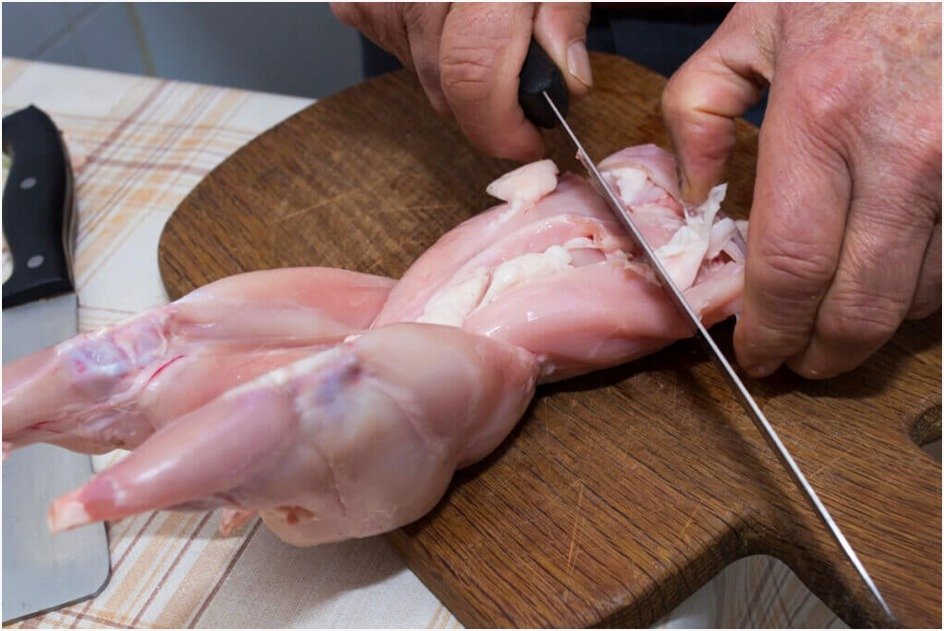
Processing rabbits for meat is relatively simple once you’re familiar with the process. With practice, one rabbit can be processed in about five minutes, making it a feasible option for home meat production.
Additionally, rabbits can be processed using basic tools and equipment found in most households, reducing the need for specialized machinery (no pluckers or scalders necessary). With just two strings and a board, you’re ready to go!
In comparison to butchering meat chickens, this is a big difference!
As we mention that because rabbits are herbivores, they’ll taste best if eaten after they’ve chilled for 24-48 hours. That’s not to say you couldn’t butcher a rabbit for dinner the same day, but the taste will improve if they’ve had a chance to rest. Suitable for Small Homesteads or Backyard Endeavors Raising rabbits requires minimal space, making it ideal for smaller homesteads or even urban backyard setups. With proper housing and care, rabbits can thrive in confined spaces. This makes them a practical choice for individuals with limited land or resources.
Choosing the Right Breed There are numerous rabbit breeds suitable for meat production, each with its own characteristics and advantages. Werecommends choosing from the medium to medium-large breeds (9-11 pounds when fully grown). We recommend avoiding the small and dwarf breeds as they don’t produce much meat, as well as the larger varieties as they can get very big.
The medium to medium-large varieties We recommends include:
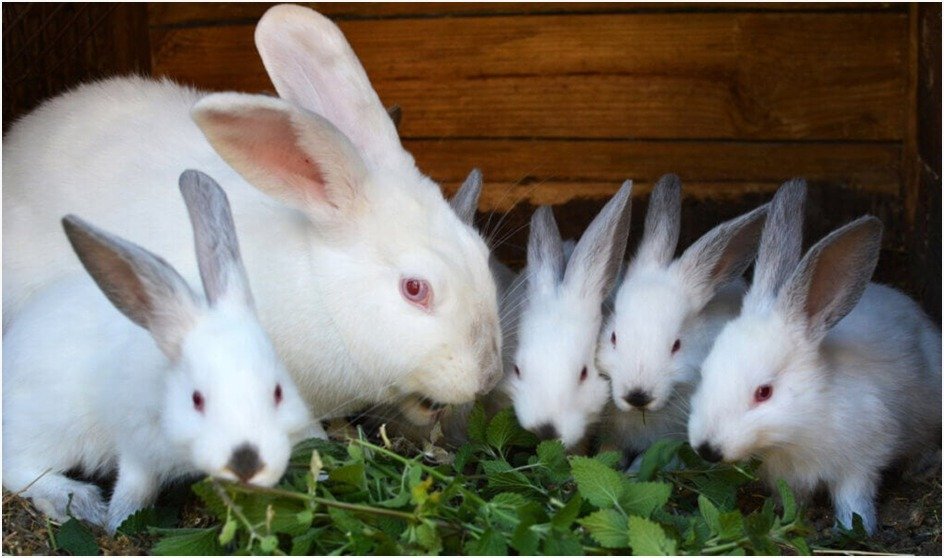
- New Zealand
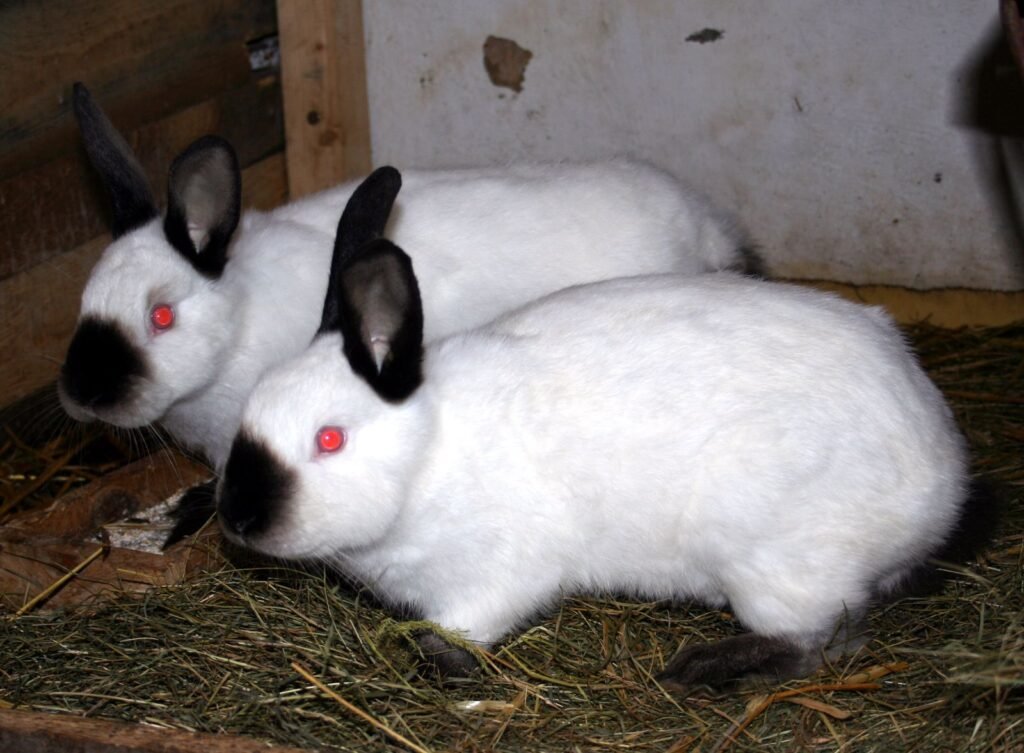
- Californian
- Chinchilla
When selecting a breed, the most important consideration should be your climate. Purchase a breed that can withstand whatever your climate has to offer, whether that’s extreme summer heat, cold winters, dry or damp conditions, etc. Other factors to consider when purchasing a rabbit breed are its growth rate, meat quality, and temperament.